
Introduction:
When considering a kitchen renovation, the budget is a decisive factor. Upon first inquiry, porcelain worktops often present a premium price point, typically positioned alongside high-end quartz and natural stone. This initial figure can give pause. However, a truly informed decision requires looking beyond the simple cost-per-square-metre to understand the total cost of ownership. Investing in porcelain worktops is not just about purchasing a slab; it’s about investing in decades of performance, negligible upkeep, and enduring beauty. This article will provide a transparent breakdown of the costs involved, compare them holistically to other materials over time, and build a compelling case for why porcelain, while an initial investment, represents remarkable long-term value and peace of mind.
Breaking Down the Initial Investment
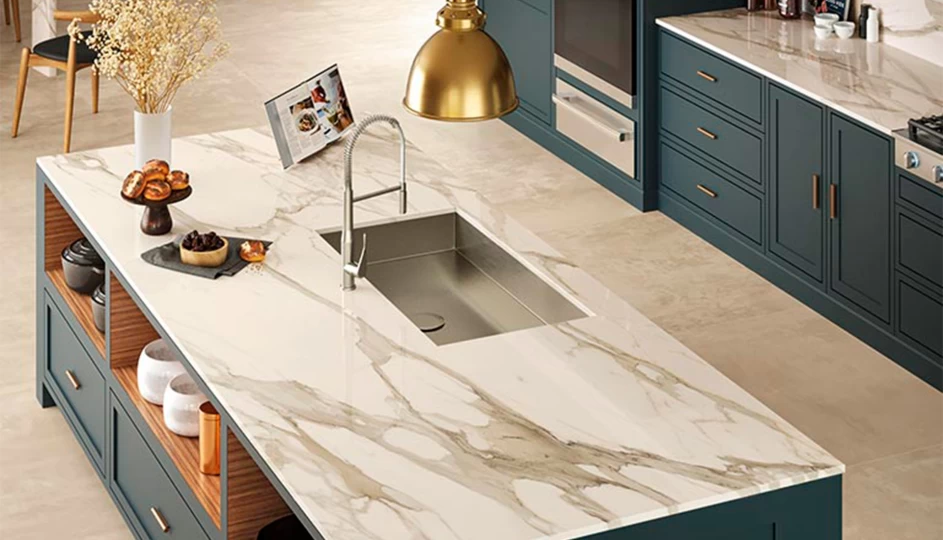
The upfront cost of porcelain worktops is influenced by several key factors. Firstly, the material cost itself varies based on quality, brand, thickness (common are 12mm and 20mm for countertops), and the complexity of the design. A simple solid colour will generally cost less than an intricate, hyper-realistic marble replication or a large-format, book-matched slab. Prices typically range from a similar point to premium quartz up to the level of exotic natural stones. Secondly, and crucially, is fabrication and installation. This is where costs can differentiate porcelain. The material’s extreme hardness requires specialised diamond tooling and highly skilled technicians. Cutting, polishing, and especially creating complex edge profiles or cut-outs for hobs and sinks are more labour-intensive and time-consuming than with softer materials. The substrate must be perfectly level and strong, which may involve additional preparatory work. Therefore, a significant portion of your quote will be for expert labour. Always factor in a site survey, precise templating, and professional installation cutting corners here is a risk to your entire investment.
The Comparative Landscape: Porcelain vs. The Field
To assess value, we must compare like-for-like over a 15-20 year period. Granite & Marble: While material costs can be similar, natural stone requires annual sealing to maintain its stain resistance. It is porous, so without this maintenance, it is vulnerable to etching (from acids in marble) and staining. The long-term cost includes sealing products, professional resealing services, and the risk of permanent damage. Quartz: A closer competitor, with similar non-porous benefits and no sealing required. However, as discussed, it is less heat-resistant, potentially leading to repair costs for thermal damage. Some lower-quality quartz can also be susceptible to UV fading. Laminate & Solid Surface: These have a far lower initial cost but cannot compare in durability, heat resistance, or prestige. They are more likely to scratch, scorch, or degrade, often leading to full replacement within the lifespan of a single porcelain worktop.
The Hidden Savings: A Lifetime of Minimal Upkeep
This is where porcelain worktops build their compelling value argument. Their total cost of ownership after installation approaches zero. The non-porous surface means:
- No Sealing Costs:Eliminate annual sealing kits or professional sealing services (£100-£300+ every 1-2 years for stone).
- No Specialised Cleaning Products:Mild soap and water are sufficient. No need for expensive stone-specific cleaners.
- Reduced Risk of Damage Repair:Its resistance to scratches, stains, and heat drastically lowers the likelihood of accidents that require costly repairs, such as polishing out etch marks or replacing scorched sections.
- Hygiene & Health:The non-porous surface inhibits mould and bacteria, potentially contributing to a healthier home environment, a value that is difficult to quantify but immensely important.
Furthermore, its durability ensures it won’t look dated or worn out. You won’t be replacing it in 10 years due to wear and tear. This longevity turns the initial premium into a cost-per-year that becomes increasingly competitive.
Adding Value to Your Home: The Perceived Premium
A kitchen renovation is also an investment in your property’s value. Porcelain worktops are perceived as a ultra-premium, contemporary, and highly desirable feature by potential buyers. They signal a home that has been fitted with the best, most durable materials, suggesting low future maintenance for the new owner. In a competitive housing market, a kitchen featuring seamless, stunning, and indestructible porcelain worktops can be a significant differentiator, potentially increasing buyer interest and helping to justify a higher asking price. It’s an investment that you enjoy daily and may recoup a substantial portion of later.
Conclusion: An Investment in Peace of Mind
Evaluating porcelain worktops solely on their upfront price is like judging a book by its cover price without reading its enduring story. While the initial outlay is significant, the narrative of this material is one of unwavering performance and timeless beauty. When you factor in the elimination of ongoing maintenance costs, the virtual elimination of repair risks, and the material’s legendary lifespan, the cost-benefit analysis shifts dramatically. You are not just buying a surface; you are purchasing decades of hassle-free living, daily aesthetic pleasure, and a permanent upgrade to the heart of your home. For those who view a kitchen as a long-term investment in their quality of life and property value, porcelain worktops transition from a premium expense to a wise and valuable investment in enduring perfection.