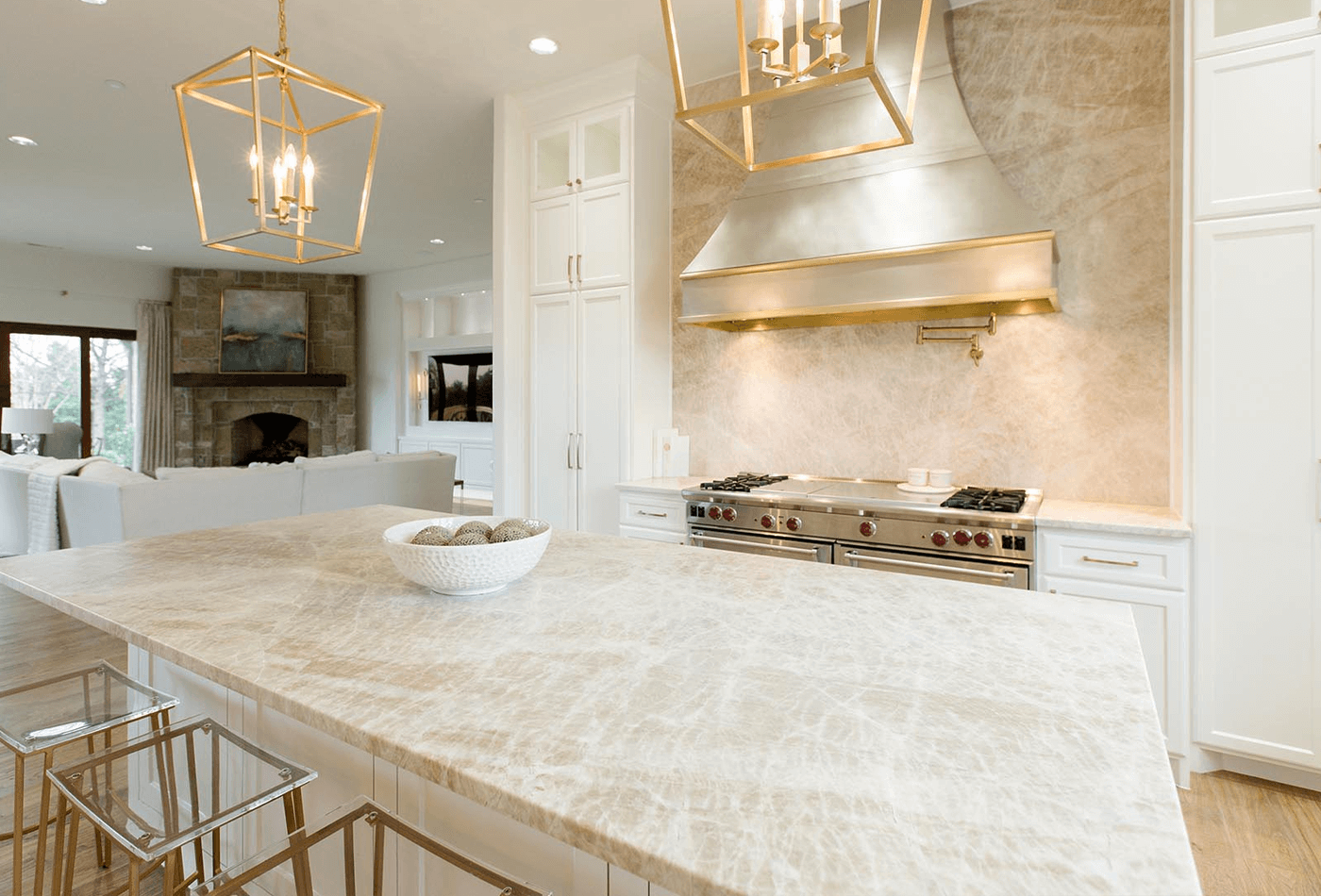

In an era of increasing ecological awareness, the environmental footprint of our home choices is under greater scrutiny. Quartz worktops, as an engineered product, often face questions about their sustainability compared to natural stone. The reality is complex, without a simple “good” or “bad” label. This article provides a balanced, in-depth examination of the environmental considerations surrounding quartz, from resource extraction and manufacturing energy to lifecycle longevity and indoor air quality. Understanding these facets allows for an informed decision that aligns with both your design aspirations and environmental values.
Resource Extraction: Quarrying vs. Abundant Composition
On one hand, the primary component of quartz worktops ground quartz is sourced from quarries, an extractive industry that impacts landscapes, requires significant energy, and generates dust and waste rock. However, quartz is one of the most abundant minerals in the Earth’s crust, and the mining is often for larger quartzite deposits, not exclusively for worktops. Crucially, because quartz worktops are approximately 93% crushed stone, they use less virgin quarry material per slab than a solid granite slab, which is 100% quarried stone. Furthermore, many leading manufacturers incorporate recycled content into their mixes, such as post-industrial scraps from their own production lines, recycled glass, or even recycled ceramics. This “upcycling” of waste materials is a significant positive step in reducing the demand for virgin extraction.
Manufacturing Energy and Emissions: The Industrial Process
The manufacturing phase is the most energy-intensive part of a quartz worktop’s lifecycle. The processes of vibro-compaction, curing at high heat, and polishing require substantial electricity. This is arguably a higher carbon footprint at the point of production compared to a simply quarried and polished granite slab. The industry’s response is evolving. Many state-of-the-art production facilities are now investing in renewable energy sources, advanced filtration systems to capture silica dust (protecting worker health and the environment), and closed-loop water systems to recycle water used in polishing. The key for consumers is to research manufacturers; some are far more transparent and advanced in their green policies than others. Certifications like NSF/ANSI 332 (Sustainability Assessment for Resilient Floor Coverings) are now being adapted for quartz, providing a benchmark for sustainable manufacturing.
Longevity, Health, and End-of-Life Considerations
A critical pillar of sustainability is product longevity. A material that lasts decades negates the need for replacement and the associated environmental costs of manufacturing a new one. Here, quartz excels. Its extreme durability, stain resistance, and low maintenance mean it is unlikely to be replaced due to wear, damage, or aesthetic obsolescence for 25+ years. This long service life amortizes its initial manufacturing impact over a very long period. From an indoor environmental health perspective, high-quality quartz from reputable brands is non-porous and non-off-gassing once cured. It does not emit volatile organic compounds (VOCs) into your home, contributing to good indoor air quality, and its surface inhibits microbial growth, supporting a healthier living environment.
The Circular Economy and Responsible Disposal
The current weak link in the sustainability chain is end-of-life. While incredibly durable, at the end of its long life, a quartz worktop is difficult to recycle due to the strong resin bond. It typically ends up as aggregate in construction fill or in landfill. This is an area where the industry is actively seeking solutions, such as developing techniques to separate the quartz from the polymer for reuse. The most sustainable practice today is responsible fabrication. Choosing a local fabricator who optimizes slab layouts to minimize waste, and who has a policy for recycling or repurposing off-cuts (for smaller items like cutting boards or vanity trays), significantly reduces the project’s overall waste stream. Ultimately, selecting quartz is a choice for a lifelong product. By choosing a manufacturer committed to clean production, a fabricator who minimizes waste, and caring for the installation so it lasts a lifetime, you can make an environmentally responsible choice that balances performance, beauty, and planetary stewardship.